Order Management
Built for Growing Businesses and Enterprises
A centralized system where every order is tracked, structures, and clearly managed from Start to finish
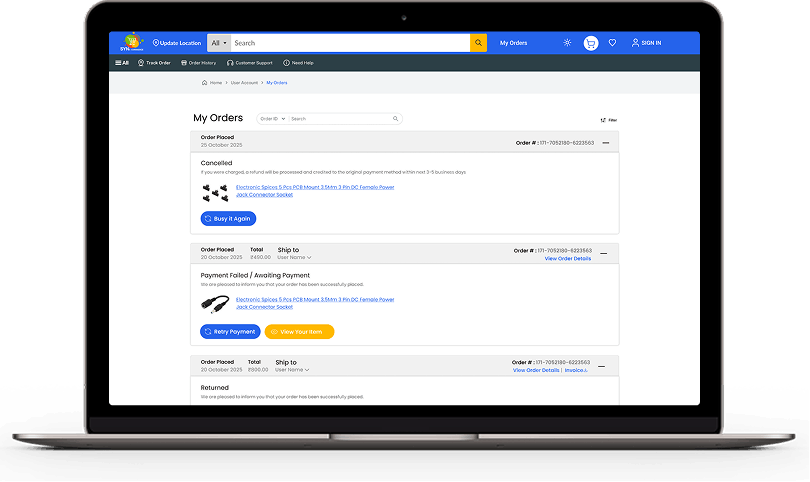
A centralized system where every order is tracked, structures, and clearly managed from Start to finish
Every order follows a connected lifecycle, not scattered steps across disconnected tools.
Each customer purchase creates a single, traceable order record. Every data point is locked into a high-fidelity audit trail instantly, ensuring data integrity from the start.
The order is marked with a clear initial status, visible to the entire team. Intelligent routing logic determines ownership and urgency automatically.
Teams prepare, split, or group orders as needed - without losing clarity. Complex logistics are handled by our backend logic, ensuring zero manual rework.
Status updates reflect physical progress at every step. From the warehouse bin to the final carrier handoff, your team maintains 100% visibility.
Final outcomes - completion, cancellation, or return - are clearly recorded. The lifecycle closes with an immutable record that powers your future sales insights.
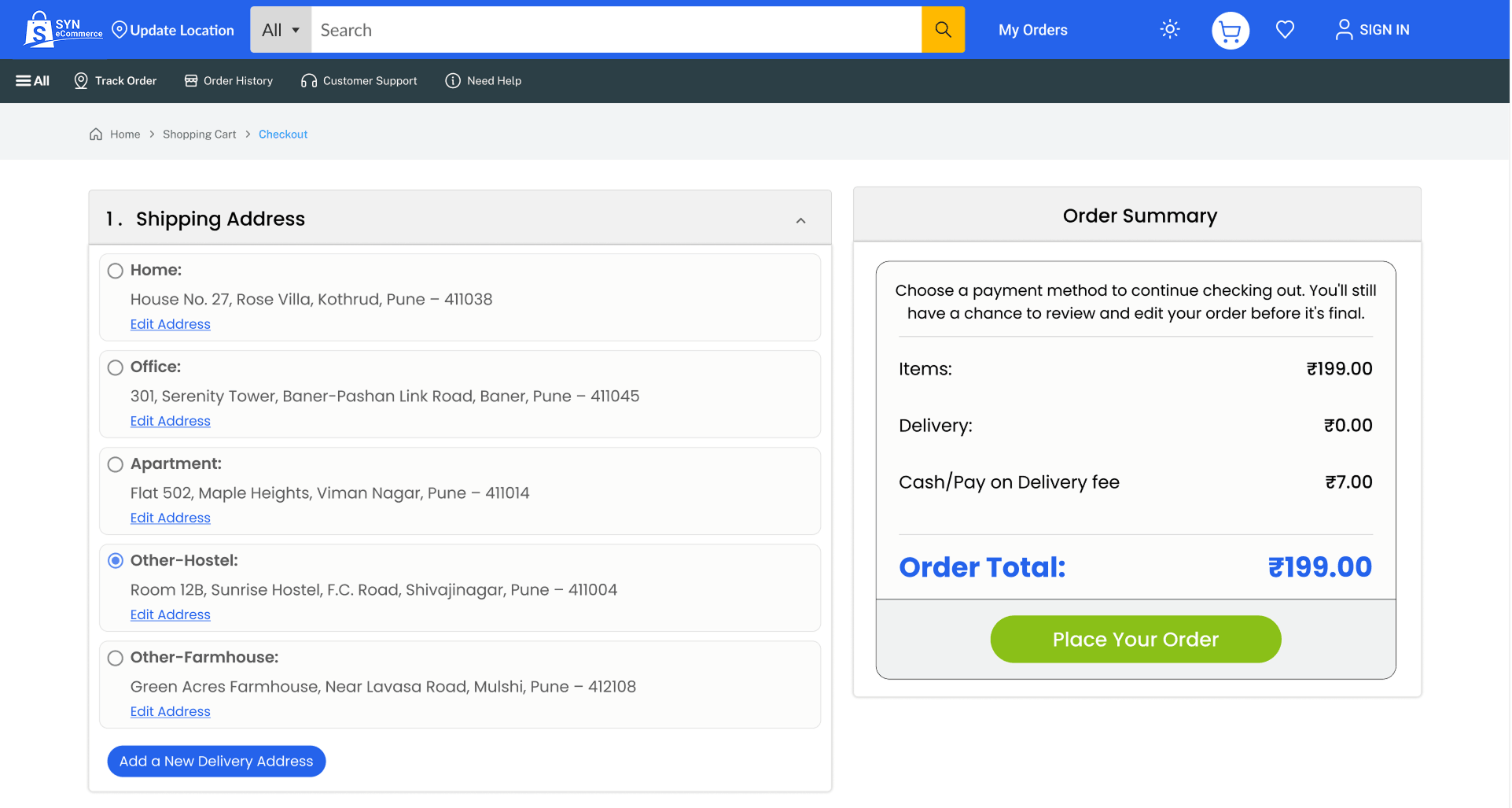
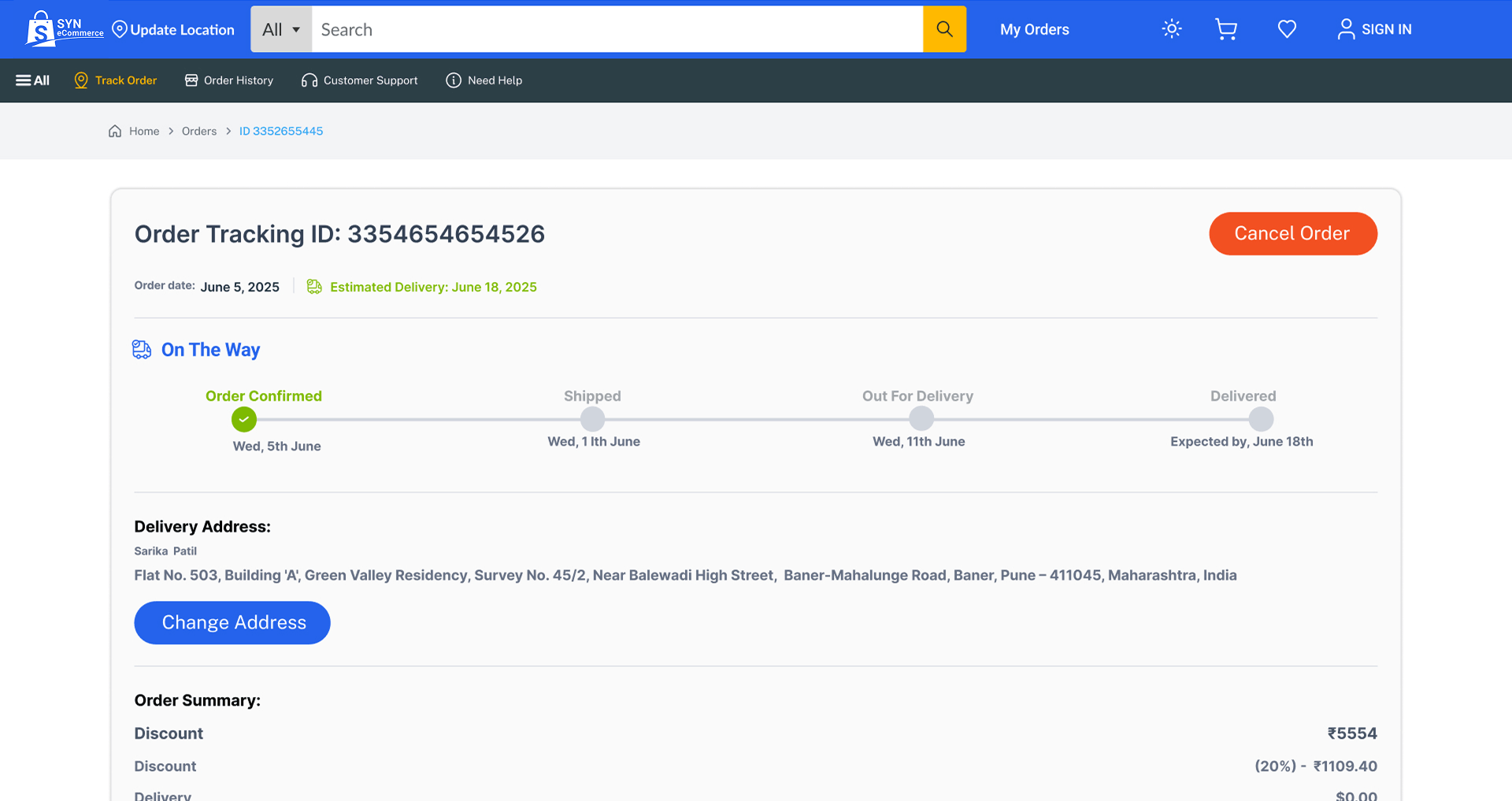
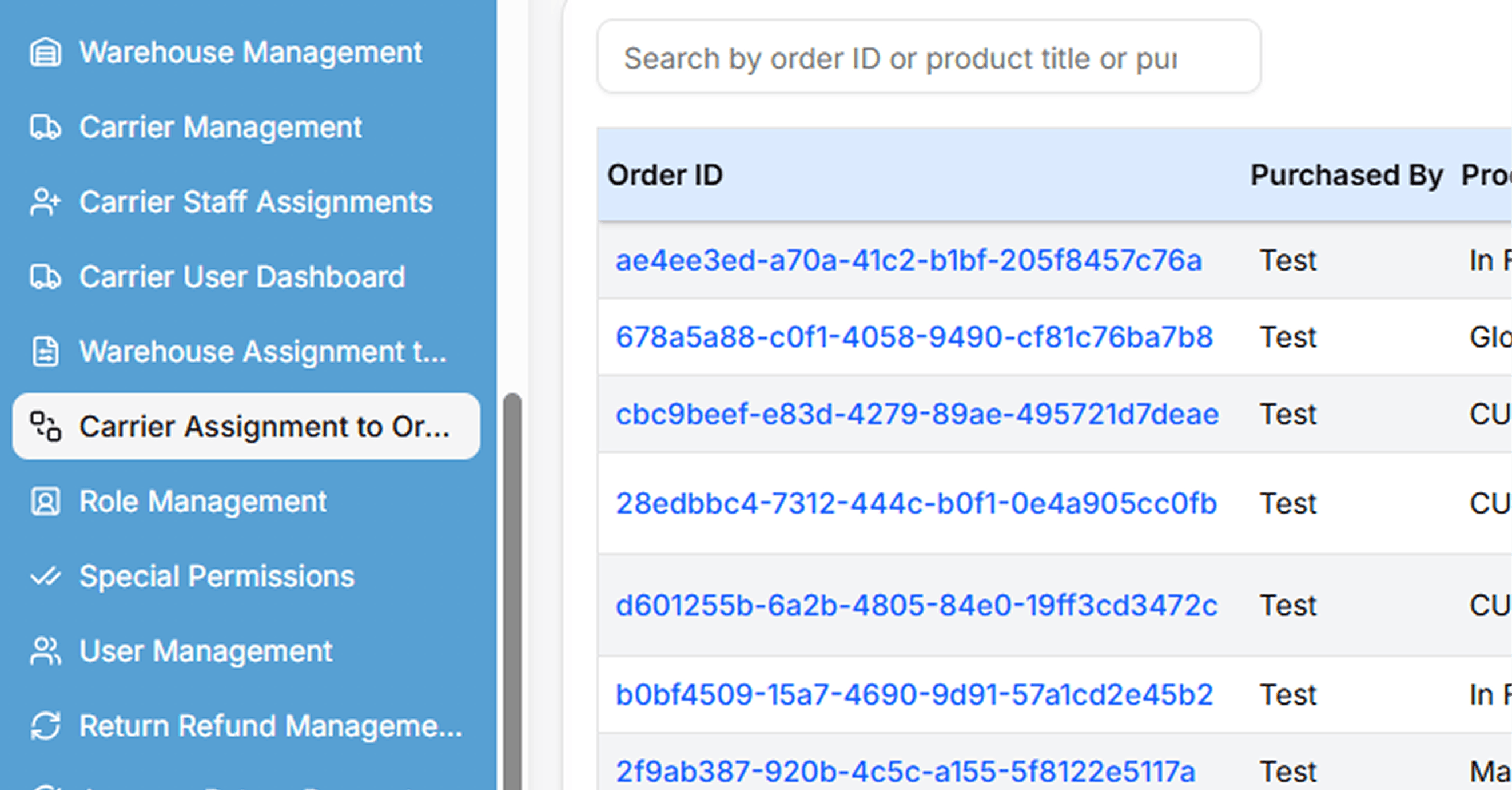
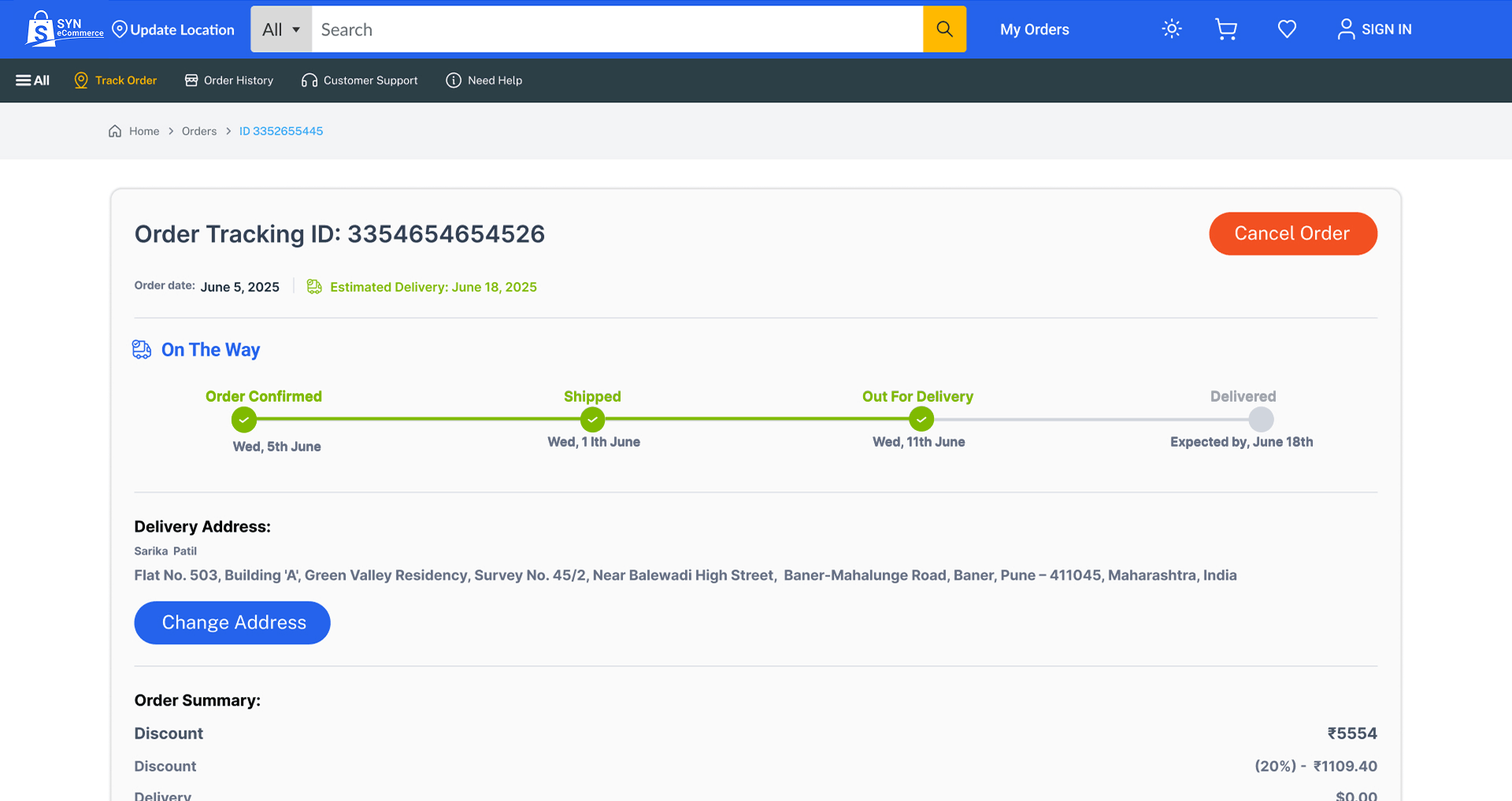
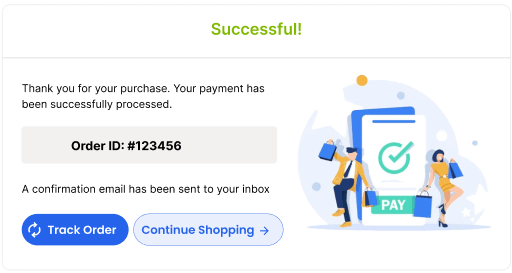
Designed for fast, accurate execution as order volume and complexity grow
View all orders across channels, regions, and payment methods in one clear interface
Track every order stage from placement to delivery, without manual updates.
designed for teams handling hundreds or thousands of orders daily.
Handle partial shipments, split orders, and multi-location fulfillment with ease.
Manage cancellations, refunds, replacements, and returns without disrupting inventory, payments, or reporting.
Complete order visibility with logged, timestamped actions to maintain full accountability.
Scale globally without adding operational layers.
Order management that remains stable, responsive, and predictable as volume grows
Order Management stays independent - while staying perfectly in sync with the rest of the platform
Order Management acts as the central reference point for all order-related activity. As an order progresses, relevant updates are reflected across connected areas of the platform - without duplicating effort or data. Each feature responds to order status changes, while order management remains focused on tracking, control, and execution.